Dead Tree Removal in San Jose, CA
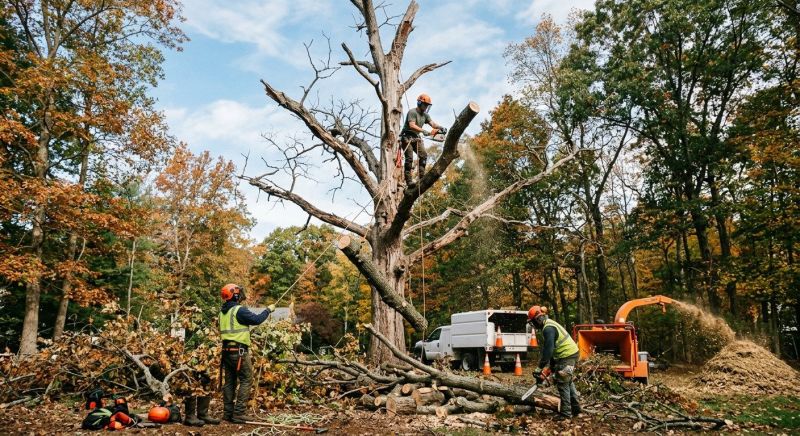
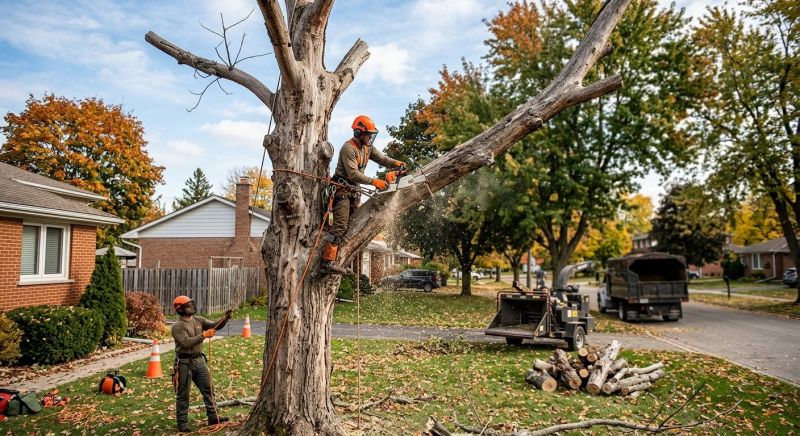
Dead tree removal services involve safely and efficiently taking down trees that are dead, decaying, or posing a risk to property and safety. These projects typically include removing standing dead trees, clearing fallen or hazardous limbs, and disposing of the debris to prevent damage to structures, landscaping, or power lines. Homeowners often request this service when a tree shows signs of disease, significant decay, or has become unstable due to weather conditions, ensuring the safety of people and property on the premises.
Property owners should understand the scope of dead tree removal, including the need for proper assessment of the tree’s condition and the potential impact on surrounding trees and landscape. It’s important to consider factors such as tree location, size, and proximity to structures or utility lines, as these can influence the complexity and safety measures required for the project. Clarifying these details beforehand helps ensure the removal process is conducted smoothly and safely.
Many property owners in San Jose, CA look into Dead Tree Removal for repairs, replacements, upgrades, and appearance-related improvements.
Benefits Of Dead Tree Removal
Removing dead trees helps prevent property damage and enhances safety around your home.
Signs You Need Dead Tree Removal
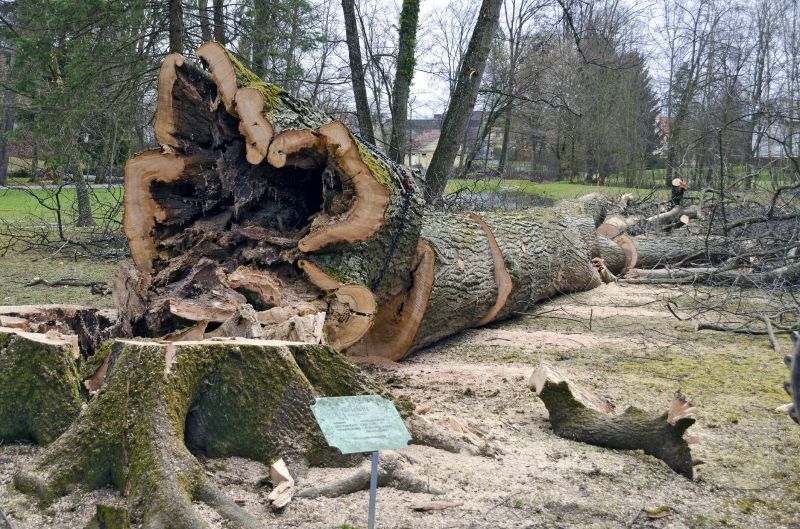
Indicators include dead branches, trunk decay, and leaning trees that pose risks to nearby structures.
Dead Tree Removal Process
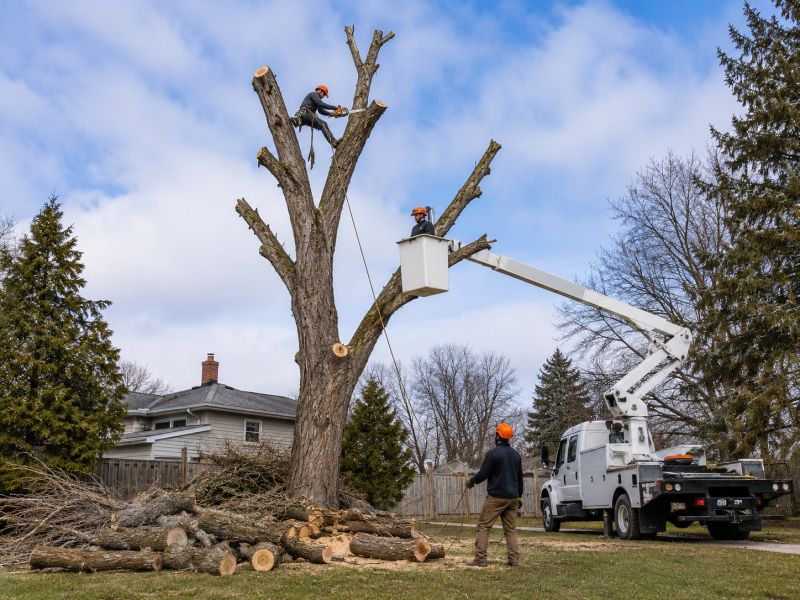
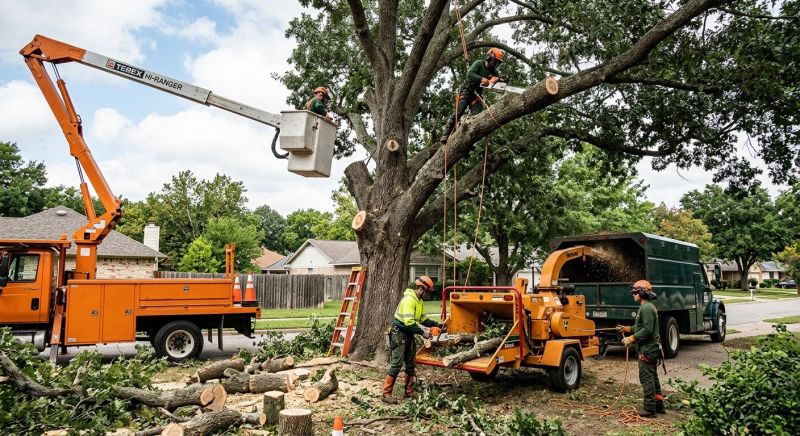
Qualified professionals use specialized equipment to safely remove dead trees and clear the area.
Dead Tree Removal in San Jose, CA
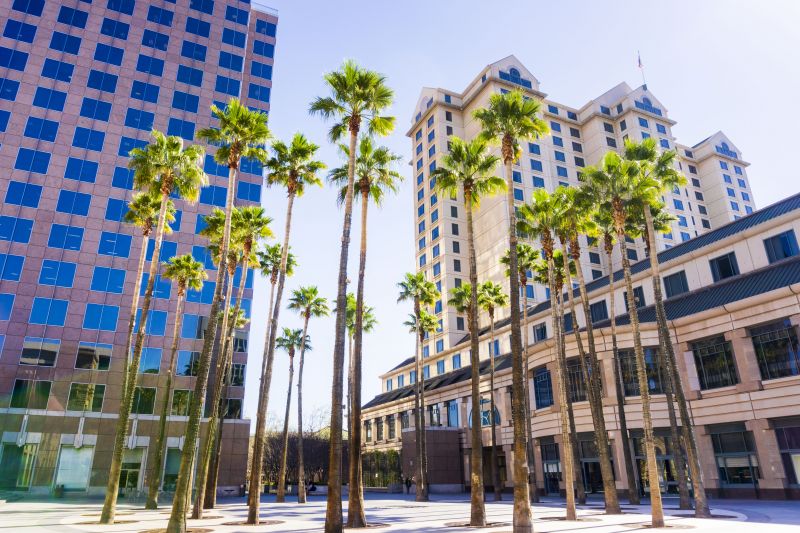
Dead tree removal services involve safely and efficiently taking down trees that are dead, decaying, or posing a risk to property and safety. These projects typically include removing standing dead trees, clearing fallen or hazardous limbs, and disposing of the debris to prevent damage to structures, landscaping, or power lines. Homeowners often request this service when a tree shows signs of disease, significant decay, or has become unstable due to weather conditions, ensuring the safety of people and property on the premises.
Property owners should understand the scope of dead tree removal, including the need for proper assessment of the tree’s condition and the potential impact on surrounding trees and landscape. It’s important to consider factors such as tree location, size, and proximity to structures or utility lines, as these can influence the complexity and safety measures required for the project. Clarifying these details beforehand helps ensure the removal process is conducted smoothly and safely.
Many property owners in San Jose, CA look into Dead Tree Removal for repairs, replacements, upgrades, and appearance-related improvements.
Common Dead Tree Removal Jobs
Dead Tree Removal - safely removing hazardous or fallen trees from residential properties.
Tree Stump Grinding - grinding down remaining stumps to prevent regrowth and improve yard appearance.
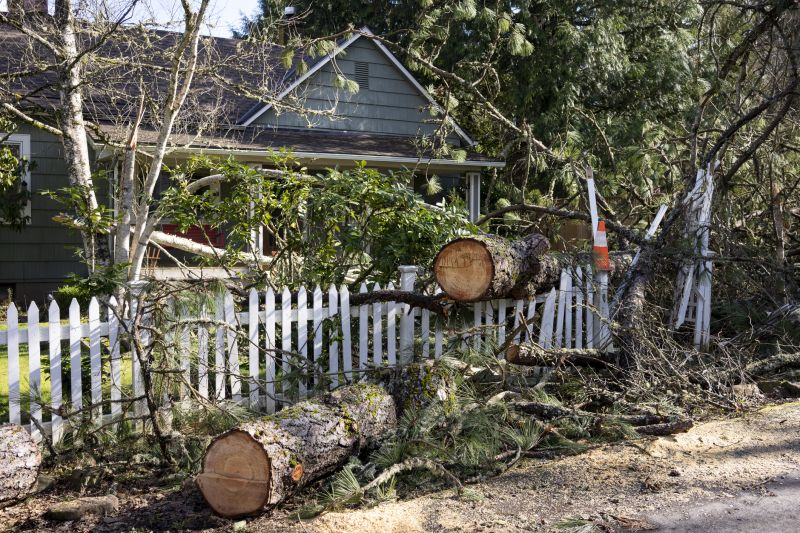
Emergency Tree Removal - addressing storm-damaged or unstable trees that pose safety risks.
Selective Tree Removal - removing specific trees to improve landscape health or prevent interference with structures.
Hazard Tree Assessment - evaluating trees for potential risks and recommending removal if necessary.
Yard Cleanup - clearing debris and wood after tree removal to restore property safety and tidiness.
Dead Tree Removal Questions
What is dead tree removal? Dead tree removal involves safely taking down trees that are no longer alive or pose a risk to property or safety.
Why remove a dead tree? Removing dead trees helps prevent potential property damage, injury, and pests that can spread from decaying wood.
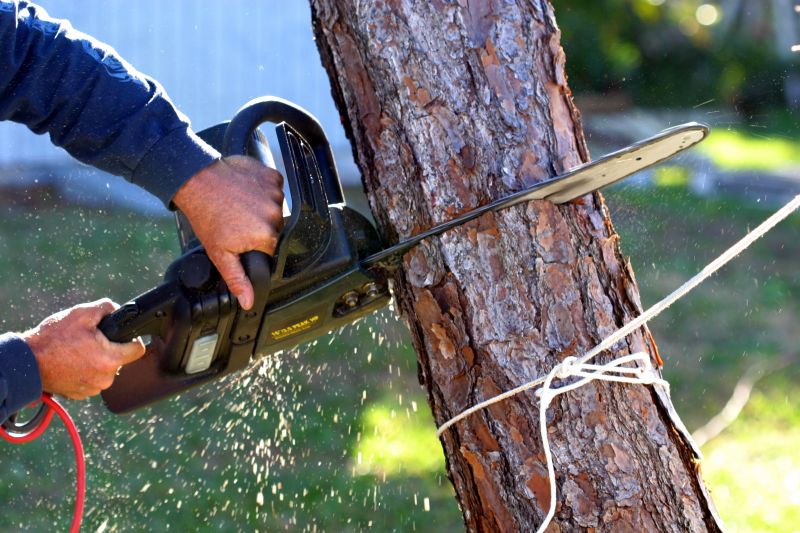
How are dead trees removed? The process typically includes cutting the tree into manageable sections and safely removing the debris from the property.
When should a dead tree be removed? A dead tree should be removed when it shows signs of decay, instability, or poses a hazard to nearby structures or people.
Request Dead Tree Removal in San Jose, CA
Use the quote form on this page to share the basics of your project and request more information for the type of work you need.